
Table of Contents
The cannabis industry continues to grow, fueled by the global wave of decriminalization. In the U.S., cannabis use for medical or recreational purposes is now legal in more than 50 countries and U.S. states combined. This growth is driven by increasing legalization and rising consumer demand; however, it also brings significant environmental challenges, emphasizing the need for sustainable practices in cultivation, processing, and distribution.
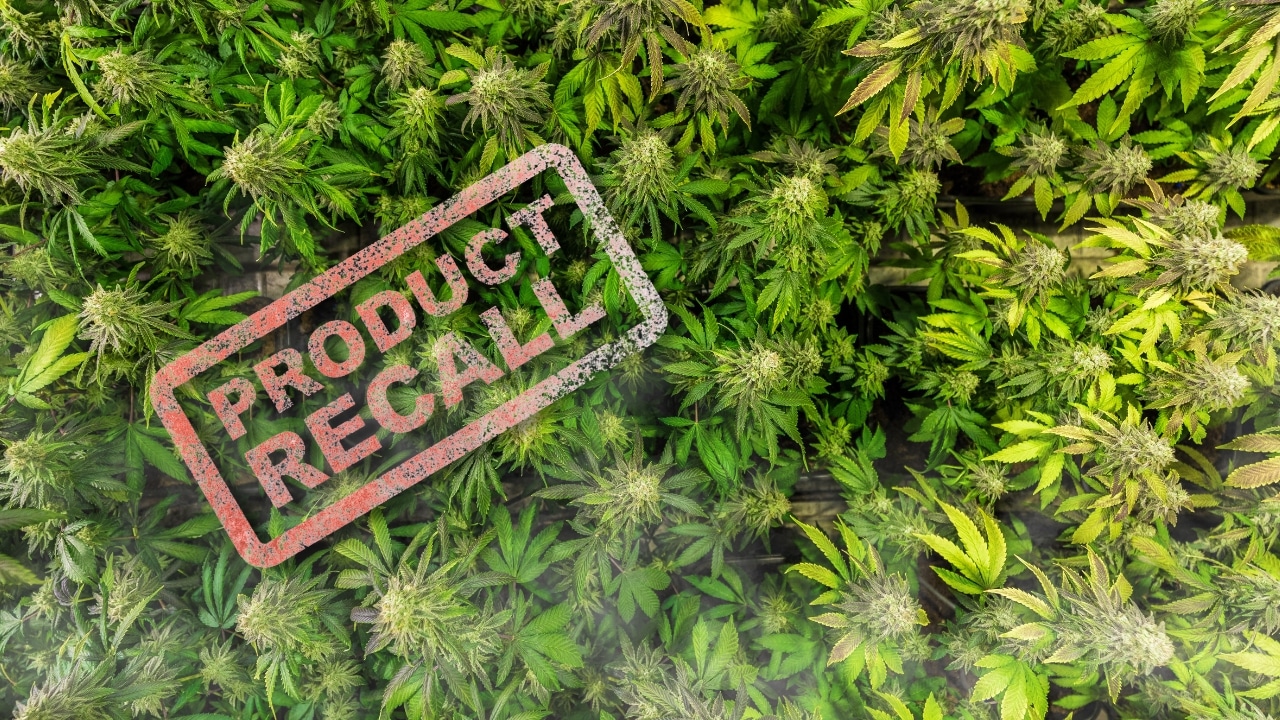
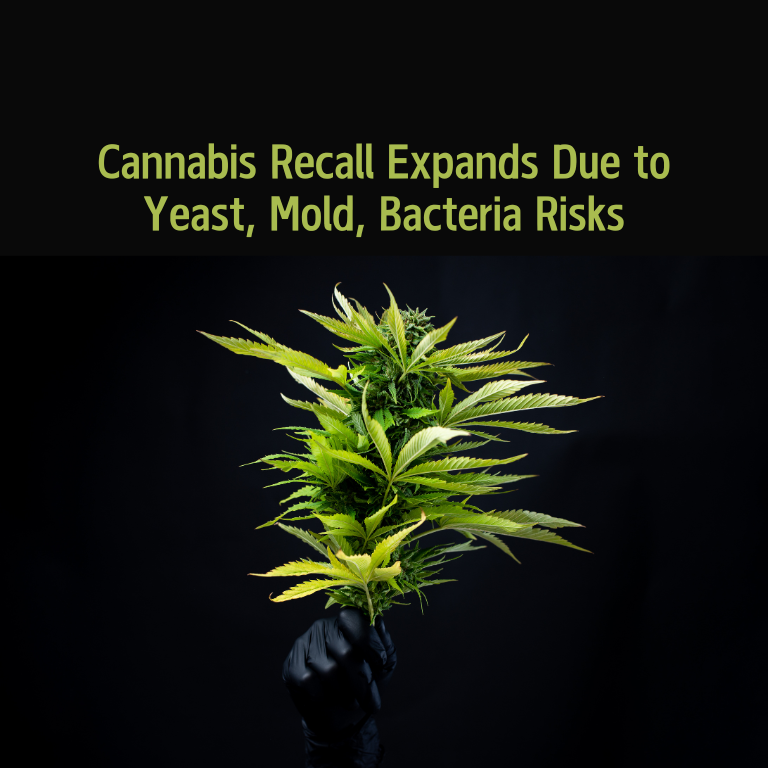
In August 2024, California’s Department of Cannabis Control issued five marijuana product recalls due to aspergillus contamination, bringing the total number of recalls for the year to 21. Similarly, Maine’s Office of Cannabis Policy (OCP) expanded an earlier recall of recreational cannabis products after discovering contamination levels that exceeded state safety thresholds. These incidents highlight growing concerns over product safety and inconsistent testing standards. As a result, cannabis cultivators nationwide are on high alert, facing pressure to address these issues proactively.
Unfortunately, many commercial growers continue to use pesticides and harmful growing practices to combat these issues and increase crop yields. Whether approved or not, harsh chemicals and pesticides are often applied to cannabis crops to increase crop yields and protect against pests and diseases. Pesticides sprayed onto or applied to cannabis crops will eventually make their way back into the earth, contaminating soil, water and other vegetation.
Most states that are legal for cannabis cultivation ushered in a host of rules and regulations that were supposedly designed to protect consumers from potential harm, however, because there’s no federal consensus, different states can make their own decisions regarding what constitutes too much pesticide residue.
In addition, there has been an increase in the number of states highlighting recalls due to mold, mildew and other fungal contaminants. Mold is the last thing cannabis growers want to see forming on their crops. Unfortunately, the presence of mold in cannabis cultivation facilities is proving to be devastating not only financially, but the health effects for the plants and individuals consuming it.
As the cannabis industry continues its remarkable trajectory, it is witnessing unprecedented shifts and new trends that redefine consumer behavior and shape the market landscape. The convergence of technology and cannabis is revolutionizing the industry in multifaceted ways. This shift towards sustainability encompasses various facets, including the utilization of eco-friendly products, reducing waste generation, and implementing efficient and more effective irrigation strategies. There is also a growing emphasis on developing sustainable attitudes between cannabis cultivation and the environment.
Eliminating the use of pesticides from cannabis cultivation will not happen until the industry as a whole decides to do so. That won’t happen until growers have other, perhaps more natural ways to protect their crop and states have a more consistent, federal framework for cultivation facilities to work under.
Reducing Pesticide Use in Cultivation Practices
There is an estimated 5.6 billion pounds of pesticides of varying types that are applied annually for agricultural cultivation. Pesticides are associated with numerous negative environmental impacts on ecosystems and human health. Eliminating pesticide use in the cannabis industry is challenging but achievable through a combination of organic practices, integrated pest management (IPM), and technological innovations. IPM takes a holistic approach to pest control to assist with minimizing or eliminating pesticide use by managing the environment and employing biological solutions.
Cannabis has long been grown with the help of pesticides, including some intended only for flowers and other non-edible plants and many that are associated with cancer and other serious health effects. We all know that cannabis yields are important to growers, and losing a crop to pathogens means forfeiting thousands of dollars. Growing plants indoors to escape detection often increases the risk that insect infestations and harmful microbes will spread quickly. For illicit growers with little knowledge of other methods and no regulatory oversight, it is easier and cheaper just to spray.
The EPA has attempted to regulate the use of pesticide in agriculture and state where cannabis is legal should be overseeing the use of pesticides. But since cannabis is still considered illegal at the federal level, pesticide use and associated regulations are not going through the EPA. Meanwhile, consumers are often left with nothing more than vague assurances from retailers and regulators about the safety of products and have a general impression that if something is on a shelf for sale then it is safe.
Because of this disconnect, as more states continue to legalize cannabis, whether for medical and recreational purposes, regulations at the state level may allow the application of pesticides for cannabis production, raising safety issues for patients and consumers.
Several states have already put changes in place by adopting policies that prohibit all federally registered pesticides. Many other states take the position that state policy is unnecessary because the EPA has not registered any pesticides for cannabis production and therefore, its use is illegal.
Very little sanctioned research has been published on the health and safety risks associated with pesticides on dried cannabis, however, the tests that have been done and found there way into public eye show cause for significant consumer concern, particularly medical patients or those with elevated risk factors. The use of pesticides that are not specifically registered for use on cannabis raises health and safety issues and remains a concern among health advocates.
Beyond the health issues that have been identified, there is analysis available that show the environmental effects of pesticides. This analysis is based on where a pesticide is used and its rate of application. Given the volume of pesticides that are being used today in cannabis cultivation, the lack of an environmental assessment of pesticides exempt from tolerance raises questions about potential effects to nontarget plants and wildlife, as well as the entire ecosystem in which they are used.
A Better Approach to Pathogen Control
Cannabis growers can avoid mold, mildew, and bacteria or other pathogens by implementing proper biosecurity practices from the start. In regulated cannabis markets, these actions are a must, with strict quality control standards dictating the permissible mold levels and other contaminants in cannabis products. Cannabis growers who fail to follow these guidelines risk failing regulatory testing, resulting in fines, recalls, and damage to the cultivator’s reputation.
“Pesticides are one of three major contaminate targets for cannabis products according to the Association of Public Health Laboratories (APHL) and Guidance for State Medical Cannabis Testing Programs.”
Pesticides, antifungals, and other performance-enhancement products are being applied to cannabis today, just as they are to other crops, to increase yields and prevent attacks from insects, mildew, and mold. However, many of these chemicals can be harmful to humans and the environment, especially people who grow or work with the products for a long period of time. Pesticide contamination remains a significant concern, as the presence of these chemicals can pose health risks to consumers.
The use of pesticides in cannabis grow facilities cannot be eradicated without forward thinking on the part of the growers, but much can be done to help by having growers that are open minded and willing to accept the fact that new approaches like Enhanced Biosecurity have to be implemented. A lack of eco-friendly regulations placed on legal marijuana and the absence of federal guidance to help smoothen the road to acceptance has allowed the issue of pesticide contamination to continue this long but growers now have to make the decision for themselves if this is going to change.
Improved Practices Using Enhanced Biosecurity
In the booming cannabis industry, ensuring the purity and safety of cannabis products is paramount, which is why SafetyNet is spearheading initiatives to improve sustainability practices within the cannabis industry. They are promoting the use of eco-friendly products that are not only more effective but can cost less in the long-term and are eco-friendly. Given that the financial stakes of indoor grow operations are primarily are rooted in the grow room, adequate biosecurity measures are essential to protect plant investments and harvest profits.
SafetyNet’s Enhanced Biosecurity Program provides a new standard for remediation of pathogens such as bacterium, virus, yeast, mildew, mold and fungus in a variety of agricultural markets. It has been developed with collaboration from independent experts in agriculture, infectious disease and industrial hygiene and combines evidence-based cleaning, disinfection, and protection control strategies.
It is designed to safeguard environments beyond the normal approach to cleaning and disinfecting, and their complete suite of cleaning and disinfection products and solutions are centered on providing long-term prevention results with a strong focus on the health implications. With products and services tailored to specific facility types, the focus now shifts from “What to do” to “How to do it” by prioritizing ongoing infection control maintenance.
Pathogen mitigation does have some up-front costs and with margins tight in the cannabis industry, investing time and money to deal with pathogens may seem frivolous or unnecessary. However, all cannabis cultivators will spend money and time on pathogens in some form regardless. By utilizing SafetyNet’s Enhanced Biosecurity steps for proper environmental disinfection, you will have taken the first steps towards preventing pathogen cross-contamination which will ultimately help to produce healthier, more natural plants.
Better Biosecurity Means Better Outcomes
The threat posed by pesticide contamination to the integrity of cannabis products requires that the industry pays close attention to it. The issue has lingered this long because the needed attention wasn’t paid to testing and other regulatory requirements. To solve this problem, those testing requirements are what state regulatory agencies will have to resort to before it becomes a public health problem. With adequate testing being done, the incidence of pesticide-contaminated products is bound to reduce.
A good biosecurity program has measures that prevent or limit the introduction of pathogens to facilities and products, continuously monitors for presence of pathogens, and implements the procedures that are adequate and consistently applied. In order to be effective, a biosecurity plan should be in place at all times and should change as needed in order to appropriately address the current degree of risk. No single step is going to provide everything needed for proper pathogen mitigation, but when combined should provide everything needed for clean, pathogen free environments.
Improved health and well-being of consumers and increased revenue for growers are the ultimate objectives with SafetyNet’s Enhanced Biosecurity Program. These outcomes are strongly influenced by society and the environment in which products are grown and, in this context, the cleanliness of an environment and the health of consumers are linked in many ways.
To learn more about what SafetyNet has to offer, check out their complete program at http://safetynetbiosecurity.com or contact them at info@safetynetamerica.com.