

Paula Savchenko, Esq. is the founder of Cannacore Group, a multi-state cannabis and psychedelic licensing firm, and PS Law Group, a regulated substances law firm. As an attorney and consultant, she primarily works in the cannabis and psychedelic industries, working with clients on multi-state expansion initiatives. For more information, please visit cannacoregrp.com and pslawgrp.com.
Table of Contents
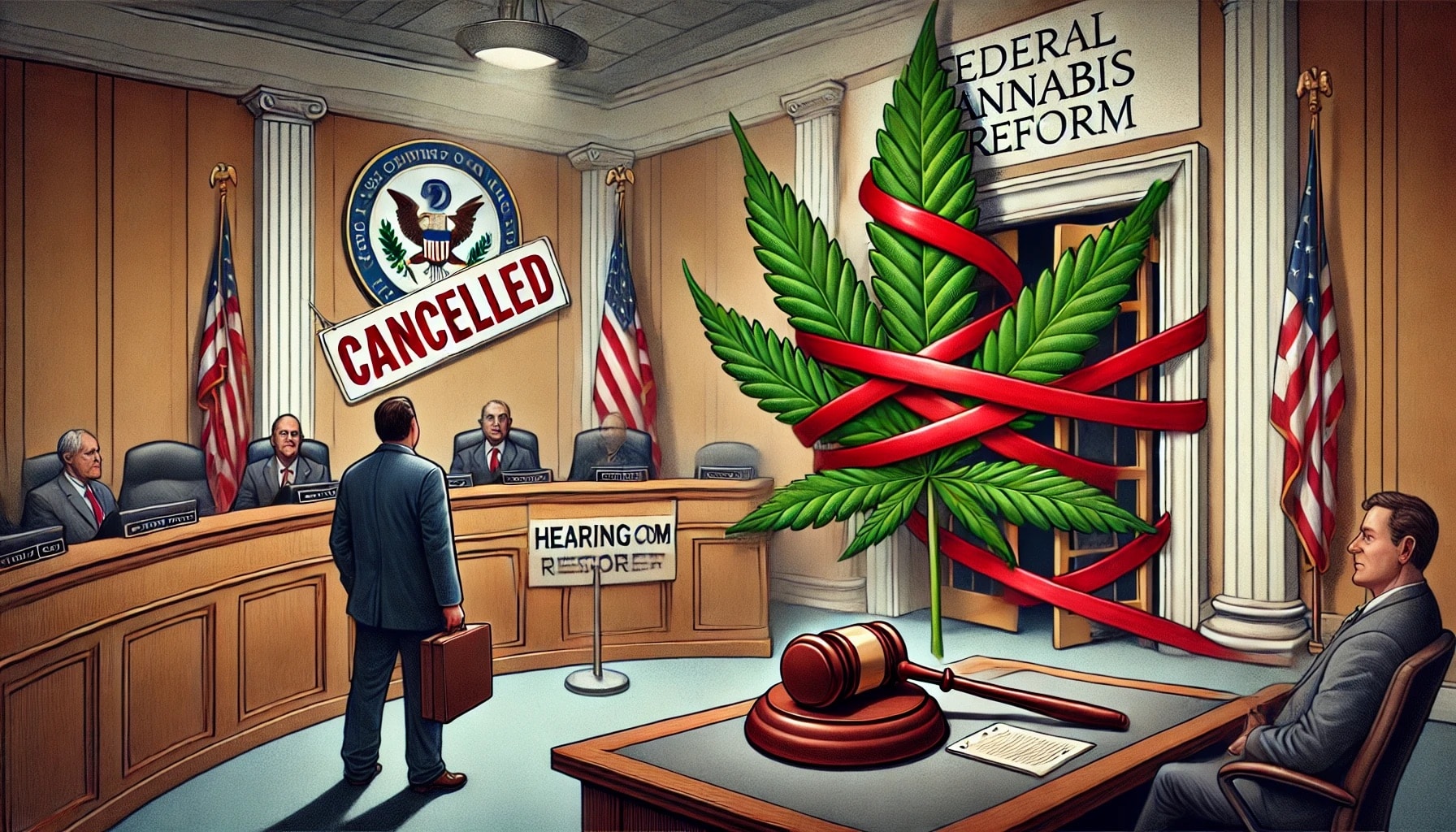
The Drug Enforcement Administration (DEA) hearings on the scheduling of cannabis, initially set for January 21, 2025, was canceled by DEA Chief Administrative Law Judge (ALJ) John Mulrooney II. The cancellation followed motions challenging the DEA’s authority to oversee the rescheduling process as proponents allege that the DEA is attempting to undermine the process. While Chief ALJ Mulrooney denied both motions—a motion to disqualify in November 2024 and a motion for reconsideration based on new evidence in early January 2025—he permitted an interlocutory appeal, allowing the matter to move to a higher court for review. This development further delays the rescheduling process, raising concerns among advocates about how the incoming administration will manage the issue when proceedings eventually resume. So, what does this mean for the future of cannabis rescheduling?
Rescheduling Nightmare
Since November 2024, cannabis advocates led by Village Farms International, Hemp for Victory, and the Connecticut Office of the Cannabis Ombudsman have called on the Chief ALJ to remove the DEA Administrator as a “supporter” of the rescheduling hearing process. The pro-rescheduling group argues that the recent declarations by the DEA reflect anti-rescheduling bias. Specifically, they point to the agency’s use of a different five-factor test to evaluate cannabis’ accepted medical value, which implements narrower standards in comparison to the two-factor review employed by the United States Department of Health and Human Services (HHS) in recommending rescheduling.
The group further alleges that the DEA has engaged in improper conduct, including undisclosed ex parte communications, failing to reveal certain witness participants, and applying inconsistent standards in witness selection—favoring those opposed to rescheduling. In particular, the motion claims the DEA has engaged in unlawful communications with prohibitionist organizations like Smart Approaches to Marijuana, providing them leverage over the process. Despite denying these allegations, the DEA has avoided clarifying its stance on the rescheduling process, even after repeated requests from the ALJ to do so. Procedural missteps have further fueled suspicions of bias, including errors in subpoenas to compel Food and Drug Administration (FDA) officials to testify and the failure to provide hard copies of all public comments on the rescheduling process. These issues have led advocates to accuse the DEA of
deliberately undermining the process through procedural delays.
New Administration
In December 2024, President Trump’s nominee for DEA Administrator, Chad Chronister, withdrew his candidacy following backlash from Republican lawmakers. The criticism stemmed from his decision to arrest a Tampa-area pastor for violating a local COVID-19 lockdown ordinance and his disapproval of federal immigration enforcement laws. In January 2025, President Trump named his interim pick, Derek Maltz, as the replacement for Anne Milgram, who has been overseeing the contentious cannabis rescheduling process.
While President Trump has publicly expressed support for the rescheduling process during his
presidential campaign, his choice of Maltz signals a stark contrast. Maltz has been a vocal critic of federal rescheduling efforts, accusing the Justice Department of “hijacking” the process and “placing politics above public safety.” In recent years, he has been an outspoken opponent of cannabis legalization, dismissing it as a political tool to garner votes while asserting proponents downplay its alleged societal harms. Maltz has controversially linked cannabis use to issues such as school shootings and increased emergency room visits. With the rescheduling process already fraught with delays and uncertainty, many advocates fear that Maltz’s appointment could derail the effort entirely, placing the future of cannabis reform in jeopardy.
Conclusion
The cancellation of the cannabis rescheduling hearing, coupled with the appointment of a new
administrator with a history of skepticism toward legalization underscores the growing uncertainty surrounding federal cannabis reform. While proponents hoped for progress, these developments suggest a continuation of delays and potential roadblocks. The future of cannabis rescheduling now hinges on how the new administration chooses to navigate the process amid allegations of bias, procedural missteps, and shifting political parties. As advocates push for transparency, the path forward remains precarious, leaving the industry and the public in a state of limbo.