Table of Contents
As the United States confronts growing food insecurity and the need for more effective rehabilitation programs, emerging industries like cannabis and hemp are offering a bold new path forward. With their unique capacity to drive agricultural innovation, sustainable infrastructure, economic empowerment, and public health support, these industries can be harnessed to build a model that addresses two of the nation’s most urgent challenges.
The Twin Crises: Food Insecurity and Ineffective Rehabilitation
In 2023, over 47 million Americans—7 million of them children—lived in food-insecure households. This lack of consistent access to nutritious food has ripple effects, from chronic health issues to lost productivity and escalating healthcare costs.
Simultaneously, many addiction recovery programs continue to rely on outdated methodologies, struggle with funding, and are disconnected from sustainable life skills and economic opportunities. Especially in rural areas, access to holistic rehabilitation remains scarce, and relapse rates remain high.
Cannabis and Hemp: Catalysts for Change
The cannabis and hemp sectors are poised to become powerful tools for systemic change, merging innovation, sustainability, and opportunity.
Agricultural Innovation: Technology-Driven Recovery
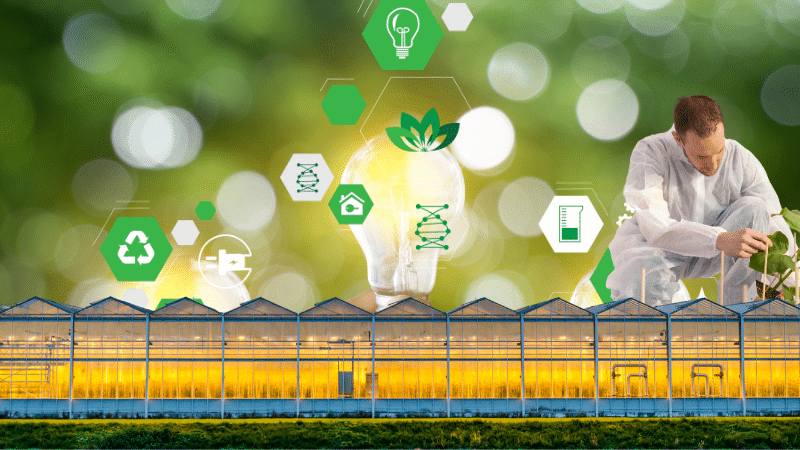
Modern cannabis cultivation practices offer a template for high-tech, sustainable agriculture that can be used in therapeutic and rehabilitative settings. Key innovations include:
- Precision Agriculture: Data-driven systems optimize water, nutrients, and lighting, allowing individuals in recovery to gain hands-on experience with cutting-edge agricultural technology.
- Controlled Environment Agriculture (CEA): Techniques like vertical farming and hydroponics offer year-round crop production, reducing resource use while providing structured, engaging activities.
- AI & Robotics: Drones and automation expose participants to future-facing tools, equipping them with valuable job skills in agri-tech.
Hemp Infrastructure: Sustainable Building Blocks
Hemp’s versatility extends to construction and environmental design, creating healthier and more sustainable living and workspaces:
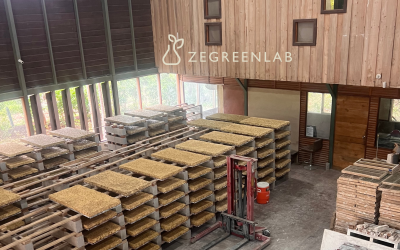
- Hempcrete: A carbon-negative alternative to concrete, ideal for building thermally efficient and healthy structures.
- Fiber Boards & Insulation: Natural, biodegradable, and non-toxic materials that promote indoor air quality.
- Prefabricated Hemp Blocks: Simple and sustainable hemp block construction options that reduce costs and promote resident involvement in building efforts.
These innovations serve not only as environmental solutions but as hands-on learning experiences in green building and design.
Economic Empowerment: From Recovery to Livelihood
Integrating cannabis and hemp into vocational training programs opens doors to long-term stability for individuals in recovery:
- Workforce Development: Programs can teach cultivation, product processing, green construction, and logistics.
- Entrepreneurship Training: Participants learn to develop hemp-based products and manage businesses, fostering economic independence.
- Local Revitalization: These industries can energize rural economies by creating meaningful employment opportunities and attracting new investment.

Innovative Funding Models for Sustainable Impact
Legal cannabis has already generated over $20 billion in tax revenue since 2014, with many states allocating funds toward education, healthcare, and addiction services. Redirecting a portion of this revenue to support community-based agricultural and rehabilitation programs would provide a sustainable funding stream.
Public-private partnerships can further enhance the viability of such initiatives. For example:
- Corporate Partnerships: Industry players can offer resources, training, or sponsorship.
- Retail Integration: Collaborating with markets to sell organic produce or hemp products can create self-sustaining revenue loops.
- Academic Collaborations: Research institutions can validate outcomes and refine therapeutic methodologies through evidence-based practices.
Proven Models and Global Inspiration
Successful international and domestic examples illustrate how agriculture can complement rehabilitation:
- UK’s DROP & GROW Program: Inmates learn aeroponics and tech farming, leading to a 17% reduction in recidivism.
- First Step Farms (NC): Combines 12-step programs with greenhouse farming to rebuild self-esteem and skills.
- Regenerative Agriculture: Techniques like cover cropping and no-till farming significantly boost soil health and carbon sequestration.
A Regenerative Future Begins on the Farm
By embedding cannabis and hemp innovation into the framework of recovery and food production, we unlock the potential to:
- Reduce addiction relapse through purposeful engagement.
- Combat food insecurity with efficient, sustainable farming.
- Stimulate rural economies and create skilled jobs.
- Shift public perception of cannabis and hemp as tools for healing and societal progress.
Scaling the Vision
This model is designed to be modular and adaptable. Whether deployed in urban centers, rural communities, or areas struggling with addiction and poverty, the framework supports rapid replication. Through technology transfer, shared training programs, and a network of collaborative operators, this model can scale nationally.
Federal and private investment will be critical to maintaining momentum, but the long-term rewards are profound: healthier communities, stronger economies, and a regenerative relationship between people and the land.