Table of Contents
Most people hear about the endocannabinoid system through cannabis or CBD. But the ECS is doing its job in your body around the clock, cannabinoids or not, and what ends up on your plate has more to do with how well it runs than most of us realize.
This piece looks at how ordinary foods, olive oil and omega-3s in particular, feed the ECS, why the pairing of the two matters more than either one alone, where good nutrition stops and cannabinoids take over, and a few practical habits that keep the whole system humming.
So What Is the ECS, Really?
The endocannabinoid system is a network that runs through your brain, nervous system, immune cells, and gut, and its job is to keep things in balance. Mood, stress, sleep, appetite, inflammation, pain perception: the ECS has a hand in all of it.
Your body produces its own cannabinoid-like molecules, called endocannabinoids, that dock into receptors known as CB1 and CB2 (and a few others) to send corrective signals when something drifts out of range. Plant cannabinoids like THC and CBD latch onto those same receptors, which is why cannabis affects so many different functions at once.
Worth remembering: the ECS isn’t a “cannabis system.” It’s a regulatory system, and daily habits shape how well it works. Food is one of the biggest levers.
Fats Are the Raw Material
Endocannabinoids are built from fat. The kinds of fat you eat determine what your body has to work with when it needs to manufacture these signaling molecules.
A diet heavy in refined seed oils and light on quality fats leaves the ECS short on good building blocks. Bring in more omega-3s and well-made plant oils, and you’re handing the system better tools.
There’s a catch. Omega-3s are fragile fats. They oxidize easily, and once they’ve gone rancid, they stop doing what you took them for. So the form matters as much as the quantity. An omega-3 supplement paired with polyphenol-rich oils holds up better than a fish oil capsule sitting on a shelf oxidizing.
You don’t need to count grams. Upgrading the quality of the fats you cook with and the omega-3s you supplement is enough to move the needle.
Omega-3s, Mood, and Inflammation
Omega-3 fatty acids show up in fatty fish, algae oil, flax, chia, and walnuts, and they play a specific role in ECS function. Research has connected low omega-3 intake to weaker signaling between cannabinoid receptors in brain regions that govern mood, reward, and stress response. Over the long haul, that can translate to shakier mood regulation and inflammation that runs hotter than it should.
When omega-3 status is solid, the body has what it needs for balanced endocannabinoid signaling. Omega-3s aren’t a cure for anything on their own, but they let the ECS operate the way it’s designed to.
The nuance again: having omega-3s in your diet isn’t enough if they’ve gone rancid before your body can use them. Combining them with polyphenol-rich oils, robust extra-virgin olive oil being the classic example, shields the fats from oxidation.
If you already take a fish or algae oil, or you eat oily fish a couple of times a week, you’re most of the way there. When you shop, favor products that talk about antioxidant protection over ones that just brag about milligrams of EPA and DHA.
Why Olive Oil Belongs in the Conversation
Extra-virgin olive oil is more than a source of monounsaturated fat. It carries polyphenols, plant compounds with antioxidant and anti-inflammatory activity that help defend cells against oxidative stress and calm overactive immune signaling.
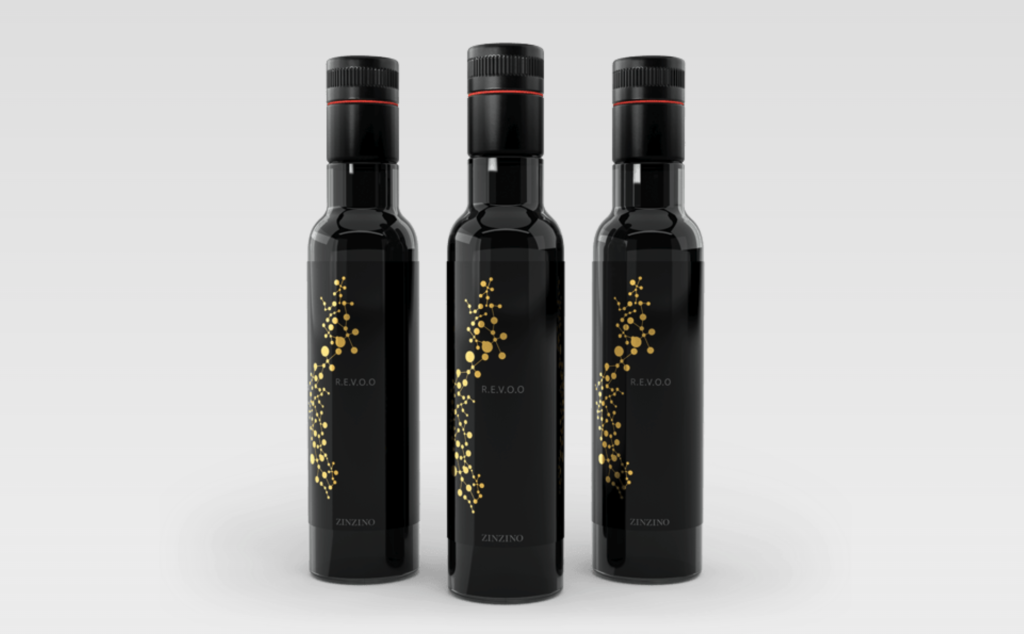
Those same polyphenols protect other fats around them, including omega-3s. Pair the two and you get a combination that’s more stable than either alone, which means the omega-3s stay intact long enough to matter.
Because the ECS is wired so tightly into inflammation and immune signaling, a diet with real olive oil in it creates conditions where the ECS can settle into a steadier rhythm. In practical terms, that means using extra-virgin olive oil for dressings, roasted vegetables, and lower-heat cooking, and choosing omega-3 products that mention polyphenol support on the label.
Where Food Ends and Cannabinoids Begin
There’s a difference between what nutrition does for the ECS and what cannabinoids do.
Food and lifestyle set background conditions. They tune the environment the ECS operates in.
Cannabinoids, whether from hemp or cannabis, act on ECS receptors directly. They’re a stronger, more targeted intervention.
Cleaning up your diet, sleep, movement, and stress practices supports the ECS whether you use cannabinoids or not. And if you do use them, those same habits shape how you respond: how sensitive you are, how long the effects last, what side effects you notice.
Cannabinoids are tools. Your daily habits are the workshop those tools work in. The point isn’t to chase the highest-milligram fish oil on the shelf; it’s to get omega-3s in a form your body can actually use, protected by polyphenols and other antioxidants, so the ECS has what it needs.
This article is for educational purposes and isn’t medical advice. If you’re considering supplements or cannabinoids, talk with a qualified healthcare provider who knows your history.
Everyday Habits That Support the ECS
You don’t need a protocol. Small, steady changes stack up.
Cook with better fats. Swap in extra-virgin olive oil where you’d otherwise reach for a refined seed oil. Keep nuts and seeds around for snacks instead of packaged food.
Get omega-3s, and get them protected. Eat fatty fish a few times a week if you can. If a supplement makes more sense, ask your practitioner about algae- or fish-based options, and look at how the product handles oxidation. Formulas that combine omega-3s with polyphenol-rich oils tend to hold up better than plain fish oil.
Move. Walking, strength training, yoga, whatever you’ll actually do. Regular movement supports ECS signaling and helps with stress load.
Sleep on a schedule. A predictable bedtime and a wind-down routine influence the same systems the ECS regulates, mood and appetite included.
Build in stress-relief. Breathwork, meditation, time outside, journaling, a creative hobby. Any of these lower chronic stress, which is another input the ECS responds to.
None of this is about perfection. It’s about nudging your habits in a direction that lets your body do the balancing work it already knows how to do.
When to Bring in a Professional
If you’re wrestling with ongoing pain, low mood, digestive trouble, or bad sleep, it’s tempting to hunt for one supplement or one cannabinoid that will sort everything out. The ECS sits at the crossroads of too many systems for that to usually pan out. Personalized guidance is worth the effort.
Some people to consider:
A primary care doctor or integrative practitioner willing to talk through nutrition, supplements, and, where it’s legal, cannabinoids.
A registered dietitian who understands fatty acids and inflammation, and can help you pick omega-3 and olive oil products that prioritize quality and oxidation control.
In legal markets, a clinician or telehealth service that works with cannabinoid medicine, if you’re curious about how CBD or cannabis might fit a larger plan.
You know your body better than anyone. A good professional helps you read the signals, weigh options, and put together something that respects your experience and current science, without steering you toward oversimplified answers.